
How Japanese Swords Became a Symbol of Tradition
The history of Japanese swords dates back centuries, rooted in the cultural and military traditions of Japan. These blades were originally crafted for warfare, designed to be both effective and reliable in combat. Over time, however, their role extended beyond practicality and began to reflect deeper cultural values.
Early forms of Japanese swords evolved as metalworking techniques improved, allowing swordsmiths to create stronger and more refined blades. This progression laid the foundation for what would later become one of the most recognized symbols of tradition.
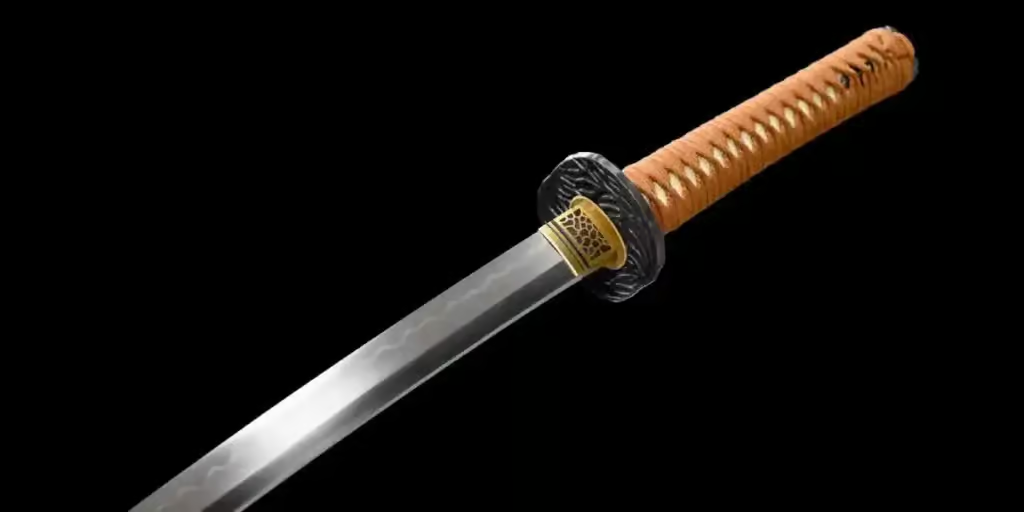
The Role of the Samurai
The rise of the samurai class played a significant role in shaping the importance of Japanese swords. For samurai warriors, the sword was more than just a weapon—it represented honor, discipline, and personal identity.
Carrying a sword was a privilege that came with responsibility. The connection between the samurai and their blades helped elevate the status of Japanese swords, turning them into powerful cultural symbols rather than simple tools of combat.
Craftsmanship and Cultural Value
One of the key reasons Japanese swords became symbolic is the craftsmanship involved in their creation. Swordsmiths followed detailed processes that required skill, patience, and precision.
Each blade was carefully shaped, treated, and finished, often reflecting the dedication of its maker. This level of artistry contributed to the perception of the sword as more than just an object. It became a reflection of tradition, discipline, and attention to detail.
Even today, interest in Japanese swords often centers around this craftsmanship and the techniques used in their creation.
From Weapon to Cultural Symbol
As time passed and warfare evolved, the practical use of swords declined. However, their cultural significance remained strong. Japanese swords began to appear in ceremonies, collections, and cultural displays.
This transition from weapon to symbol allowed them to maintain relevance even in modern society. People began to appreciate them not for their function, but for what they represented.
The continued fascination with Japanese swords reflects a broader appreciation for history and tradition.
Influence in Modern Times
In the modern world, Japanese swords continue to hold symbolic value. They are often associated with ideas such as discipline, focus, and respect. These values resonate beyond their original context, making them meaningful even today.
Collectors, historians, and enthusiasts all contribute to preserving this legacy. Through study and appreciation, they keep the tradition alive and ensure that the cultural importance of these swords is not forgotten.
Final Thoughts
Japanese swords have evolved from practical weapons into lasting symbols of tradition. Their connection to history, craftsmanship, and cultural values gives them a unique place in both the past and the present.
The enduring interest in Japanese swords shows that their significance goes far beyond their original purpose. They continue to represent a legacy that connects generations through shared appreciation and respect.
